Wildlife to Spot on a Pembrokeshire Sea Kayaking Tour
One of the great joys of sea kayaking in Pembrokeshire is that every trip is different.
The coastline is home to an extraordinary variety of wildlife, from tiny anemones clinging to the rocks below the tide line to dolphins and porpoises feeding offshore. Even after decades of exploring the Pembrokeshire coast by kayak, wildlife encounters remain one of the highlights of being on the water.
Travelling quietly by sea kayak offers a unique opportunity to observe wildlife without disturbing it. Moving at a natural pace allows you to notice details that are often missed from cliff paths or larger boats.
Here are ten of the species and groups of wildlife most commonly encountered during a sea kayaking journey around the Pembrokeshire coast.
Grey Seals
Pembrokeshire is home to the largest population of Atlantic Grey Seals in the British Isles, with many of them making their home on Ramsey Island. Inquisitive and often playful, breeding season for these “labradors of the sea” is in the Autumn when the beaches are full of the white furred pups.
Porpoise
Porpoise have their favourite feeding grounds at Strumble Head and Ramsey Sound but are often seen in many other areas too. If you see them suddenly heading out to sea then it can mean that the, much larger, Dolphins are on their way in.
Most visitors assume dolphins are the common sighting.
Actually, porpoises are often encountered more regularly around the Pembrokeshire coast.
Dolphins
Regular visitors to the North Pembrokeshire Coast some dolphins choose to be here all the year round. If you see half a dozen or more Gannets circling in an area then keep your eyes peeled, it is usually a sign that the dolphins are around. Often seen in Fishguard and Newport Bay they can be spotted more frequently the further north you head.
Puffins
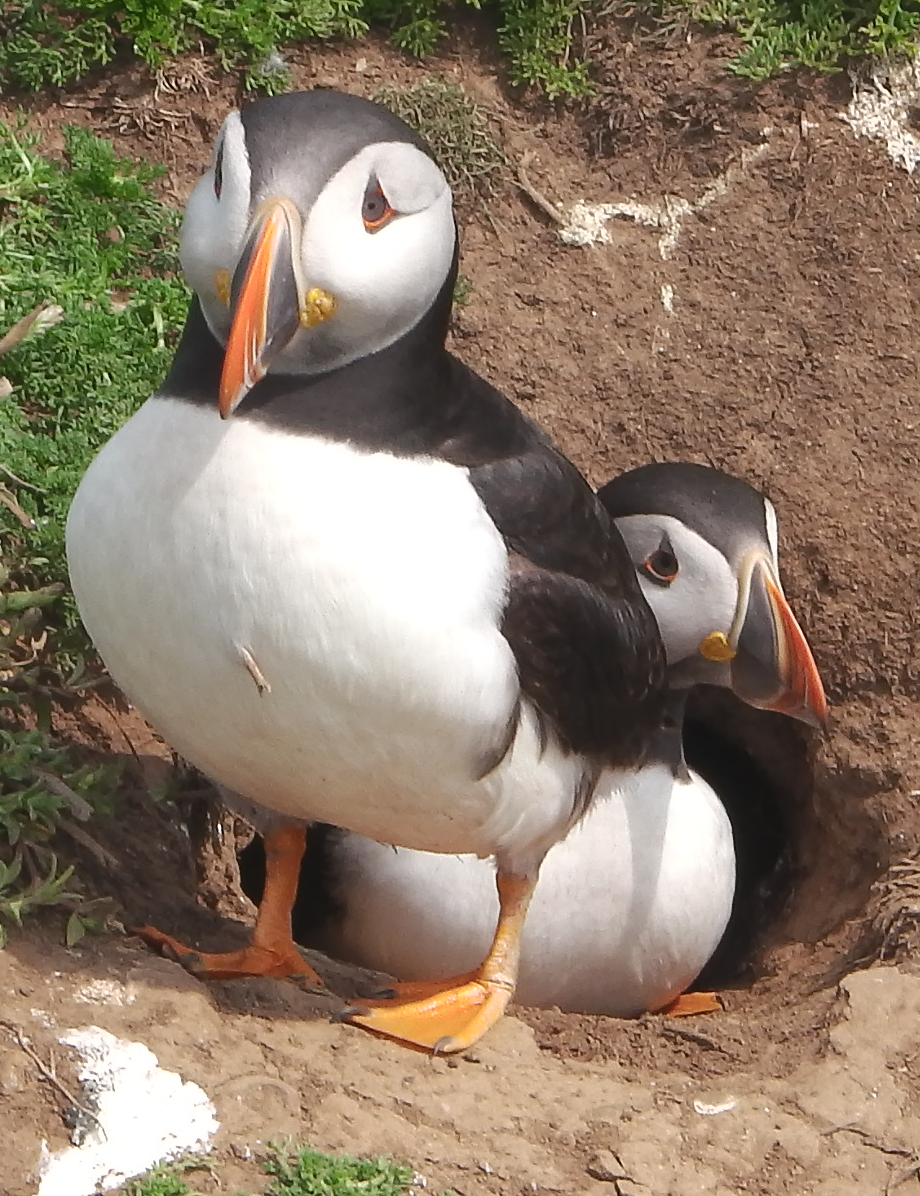
6000 Puffins choose Skomer Island to have their young each spring. These comical little auks are also known as the “Pembrokeshire Parrot”. Much more comfortable at sea, where they spend most of their time, you will see them working their wings very hard to stay in the air. Flying past you, their beaks stuffed full with sand eels, you will remember seeing these beautiful forever.
Gannets
Grassholm, 15 miles off the coat of Pembrokeshire, is where the Gannets live. It’s a smelly island and not many people have sea kayaked there. These large sea birds come in looking for the mackeral which they catch by diving, like an arrow, into the water from hieghts of 100m or more. You may have seen this impressive move on BBC documentarys but with us you get to it for real!
Why Sea Kayaks Are Perfect for Wildlife Watching
Unlike powered boats, sea kayaks move quietly through the environment.
There is no engine noise and very little disturbance to the water, allowing paddlers to observe wildlife behaving naturally.
Seals will often approach out of curiosity, porpoises may surface nearby and seabirds continue feeding largely undisturbed.
At Mayberry Kayaking we follow the WiSe Scheme, the Pembrokeshire Marine Code and the Pembrokeshire Outdoor Charter, helping ensure wildlife encounters remain enjoyable for both visitors and the animals themselves.
Peregrine Falcons
Peregrine Falcons are famous for being the fastest bird in the world and there is not a week that goes by without them being spotted on the cliffs of Pembrokeshire. Watch them chase and catch pigeons, often only a few feet above your head while you eat lunch. It’s pretty impressive.
Kestrals
Flying above the cliff tops we often have to watch for a while to distinguish the Kestral. As soon as you see this bird of prey “hanging” in the sky like an angel you will know. Watching it’s wings beating to hold position in the air it’s hard to believe that the Kestral’s head is dead still as it picks out it’s prey below.
Jellyfish
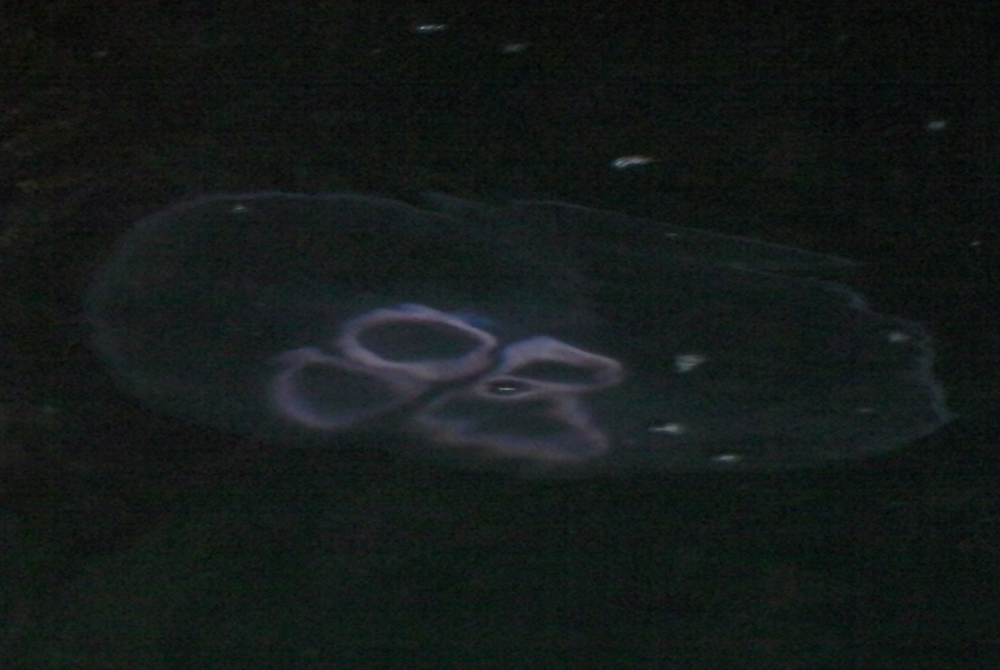
As the water warms up from May onwards the Jellyfish arrive in numbers. Moon, compass and lions mane are the most common. Don’t touch or hold the jellyfish, they are capable of stinging even hours after being washed up on a beach and dying. Some people will tell you that not all Jellyfish sting but all, including the moon jellyfish, are capable of at least a mild sting. Leather back turtles follow the Jellyfish but they are shy creatures and you will be very lucky if you see one. There’s a very useful pdf for identifying jellyfish available here.
Spider Crabs
Peer down into the water and hiding in the sea weed or sometimes on the side the cliffs beneath you, you can spot the spider crab. Often the size of your hand and larger, these are caught by the local fisherman and can be eaten locally in some restaurants. They are easier to see as the water warms and after a few days of settled weather as they choose to hide during the storms and who can blame them?
Anemones
Although it was easy to leave out the limpets and other shore animals, I couldn’t leave out the Anemones. Stuck to the rocks along the shore anemones come in such a variety of colours. Orange, red, yellow, green and blue are all seen at low tide around the Pembrokeshire Coast. Using sticky tentacles to catch and eat their prey, it is said that our ancestors would have used anemone omae to make glue.
Rare Visitors
While seals, porpoises and seabirds are regular encounters, Pembrokeshire occasionally produces extraordinary wildlife sightings.
In January 2024 a young humpback whale spent almost two weeks around Fishguard Harbour, providing local residents and visitors with a remarkable opportunity to observe one of the ocean’s most iconic animals.
You can read more about that encounter in our article about the humpback whale in Fishguard.
Experience Pembrokeshire Wildlife From Sea Level
The Pembrokeshire coastline is one of the best places in Britain to encounter marine wildlife.
Whether watching seals hauled out on remote beaches, spotting porpoises feeding offshore or seeing gannets plunge-diving into shoals of fish, every journey offers the possibility of a memorable encounter.
Our guided sea kayaking trips explore some of the most wildlife-rich sections of coastline in Wales, providing opportunities to experience the natural world from a unique perspective.
If you’d like to discover what wildlife you can find along the Pembrokeshire coast, we’d love to show you.
FAQ Section
What wildlife can you see while sea kayaking in Pembrokeshire?
Grey seals, harbour porpoises, dolphins, puffins, gannets, peregrine falcons, jellyfish and many other species are regularly encountered.
When is the best time to see seals in Pembrokeshire?
Seals can be seen throughout the year, although autumn is particularly special during pupping season.
Can you see dolphins in Pembrokeshire?
Yes. Dolphins are regularly sighted around the Pembrokeshire coast, although sightings can never be guaranteed.
Are puffins found in Pembrokeshire?
Yes. Skomer Island supports one of the largest puffin populations in southern Britain.
Is sea kayaking a good way to watch wildlife?
Yes. Sea kayaks allow people to travel quietly through the environment, often creating excellent wildlife-viewing opportunities when undertaken responsibly.
Every Trip Is Different
One of the reasons people return to sea kayaking again and again is that no two journeys are ever quite the same.
The coastline changes with the tides, the seasons bring different wildlife and every trip offers the possibility of seeing something unexpected.
Sometimes it is a seal pup resting on a beach. Sometimes it is a pod of dolphins feeding offshore. Occasionally it is even a humpback whale visiting Fishguard Harbour.
Whatever appears, experiencing wildlife from the cockpit of a sea kayak is one of the most rewarding ways to explore the Pembrokeshire coast.