Sea Kayaking for Beginners: Understanding Different Types of Kayaks
If you are thinking about trying sea kayaking for the first time, one of the most confusing things can be understanding the different types of kayaks available. From long, sleek sea kayaks to colourful sit-on-tops found on beaches around the UK, there are huge differences between kayak designs and what they are built to do.
As an experienced sea kayak coach based in Pembrokeshire, I am often asked questions like:
- What is the difference between a sea kayak and a normal kayak?
- Are sit-on-top kayaks safe at sea?
- What kayak is best for beginners?
- Why are sea kayaks so long and narrow?
This guide explains the main types of kayaks you are likely to encounter and what each one is designed for.
Whether you are considering your first guided trip, a beginner course or eventually buying your own kayak, understanding the basics will help you make much better decisions.
What Is a Sea Kayak?
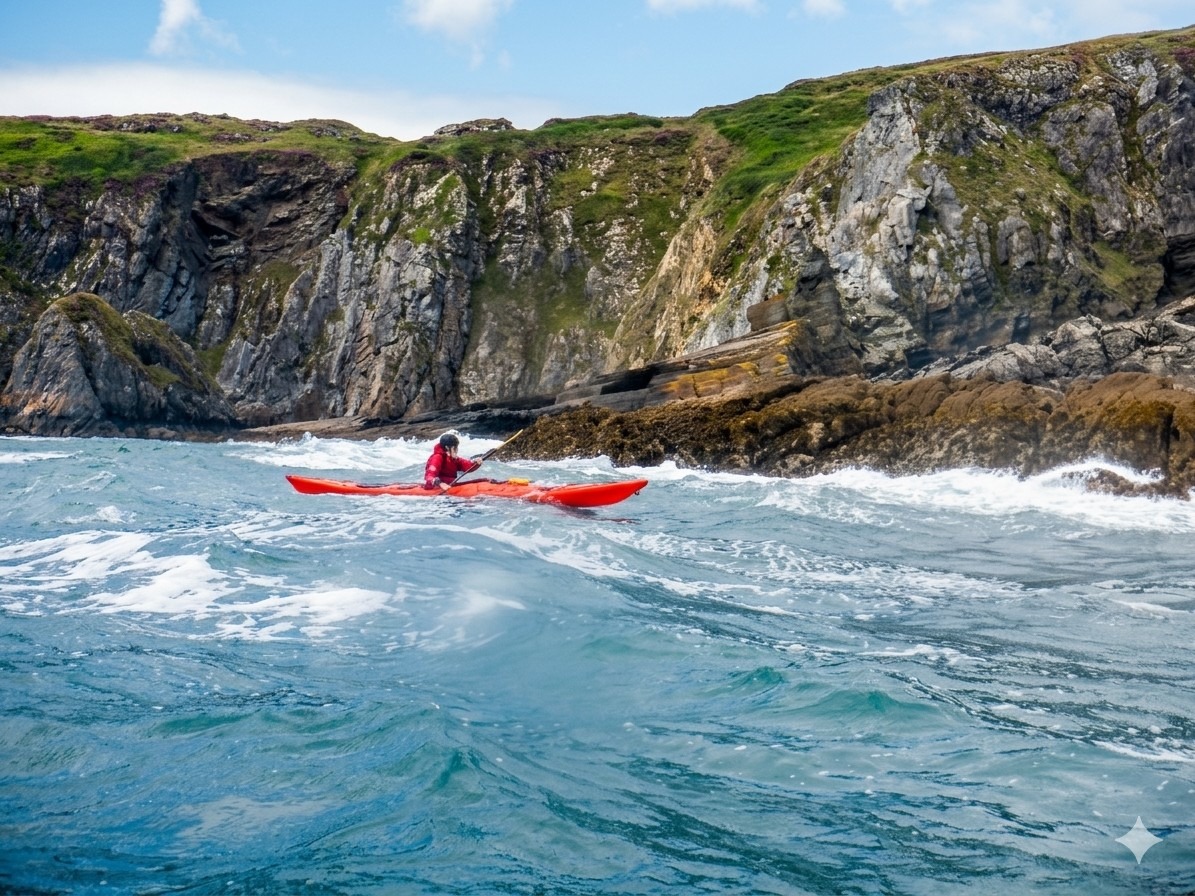
A sea kayak is a kayak specifically designed for travelling efficiently and safely on open water, including coastal environments like the Pembrokeshire coastline here in West Wales.
Sea kayaks are typically:
- Longer than recreational kayaks
- Narrower and faster
- Designed to handle waves and rougher water
- Fitted with sealed storage compartments
- Equipped with safety features such as deck lines and hatches
The long shape helps them glide efficiently through the water, making them ideal for longer journeys, exploring coastlines and paddling in changing sea conditions.
Unlike many cheaper recreational kayaks, proper sea kayaks are designed with safety, seaworthiness and efficiency in mind.
Sit-On-Top Kayaks
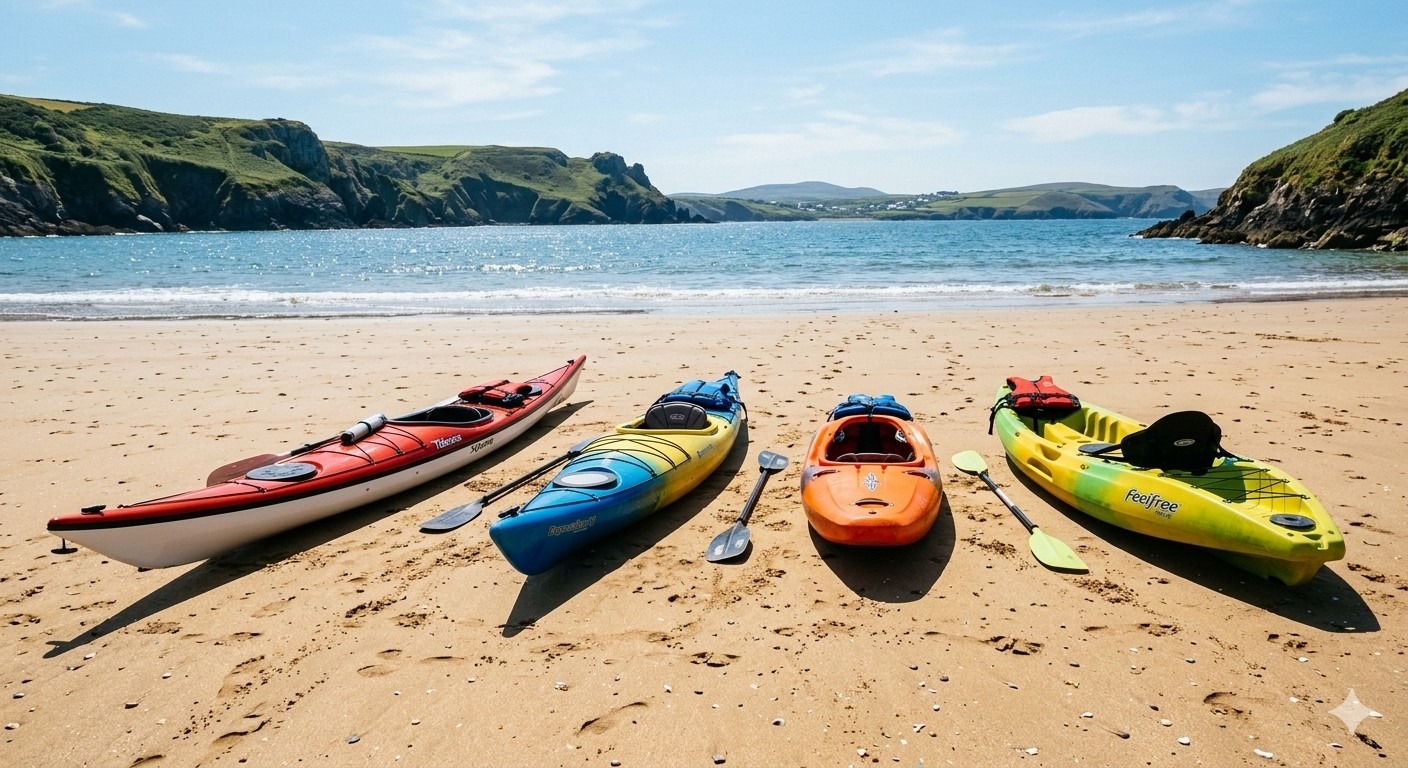
Sit-on-top kayaks are probably the kayaks most people first encounter while on holiday or visiting the beach.
Rather than sitting inside the kayak, the paddler sits on top of the hull. They are:
- Stable
- Simple to use
- Easy to climb back onto
- Popular for family use and short sessions in calm conditions
Sit-on-tops can be excellent fun and are often ideal for complete beginners in sheltered water.
However, they are very different from proper sea kayaks.
They are generally slower, less efficient over distance and offer much less protection from wind, waves and cold water. In more challenging sea conditions, their limitations quickly become noticeable.
That said, for warm summer days and short coastal paddles, they can be a great introduction to kayaking.
White Water Kayaks
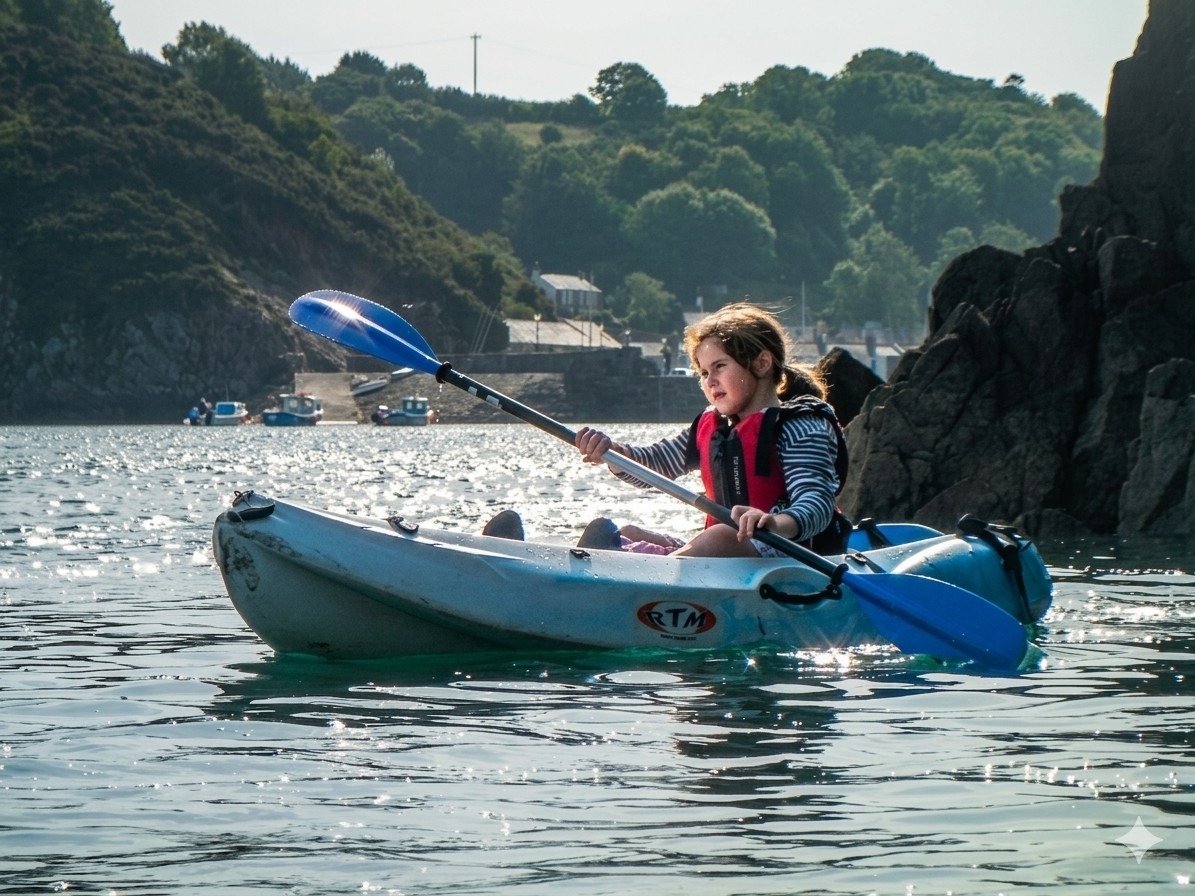
White water kayaks are short, highly manoeuvrable kayaks designed for rivers, rapids and fast-moving water.
Compared with sea kayaks they are:
- Much shorter
- Easier to turn quickly
- Built for agility rather than speed
- Designed to cope with powerful river features
A white water kayak would not normally be suitable for coastal touring or longer sea journeys because it lacks the speed and efficiency needed for open water travel.
They are specialist boats for specialist environments.
Touring and Recreational Kayaks
Many people also encounter recreational or touring kayaks sold through outdoor shops and large retailers.
These kayaks are often:
- Wider
- Shorter
- Designed for calm inland water
- Built to prioritise stability over performance
For canals, lakes and sheltered estuaries they can work perfectly well.
Problems tend to arise when people unknowingly take these kayaks into more exposed coastal conditions that they were never really designed to handle.
This is one of the reasons proper instruction and local knowledge are so valuable when getting started in sea kayaking.
Which Kayak Is Best for Beginners?
There is no single perfect answer because the best kayak depends entirely on:
- Where you want to paddle
- The conditions
- Your confidence level
- Your goals
- Whether you want short recreational paddles or longer adventures
For many beginners, the best starting point is not immediately buying a kayak at all.
Joining a guided trip or beginner sea kayaking course allows you to:
- Try quality equipment
- Learn safely
- Understand different kayak designs
- Build confidence properly
- Avoid expensive mistakes
This gives you a far better understanding of what type of kayaking actually interests you before investing in equipment.
Why Proper Sea Kayaks Look So Different
People are often surprised by how long and narrow sea kayaks appear compared with beach hire kayaks.
The reason is simple: efficiency.
A longer hull travels more efficiently through the water and tracks more effectively in wind and waves. This allows sea kayakers to cover significant distances comfortably and safely.
Modern sea kayaks are the result of decades of development, heavily influenced by traditional Inuit kayak designs that evolved for travelling and hunting in harsh Arctic environments.
When you first paddle a proper sea kayak, the difference in performance is usually immediately noticeable.
Learning to Sea Kayak Safely
Sea kayaking is one of the best ways to explore the coastline, wildlife and hidden corners of Pembrokeshire, but the sea deserves respect.
Weather, tides, swell and wind can all dramatically affect conditions.
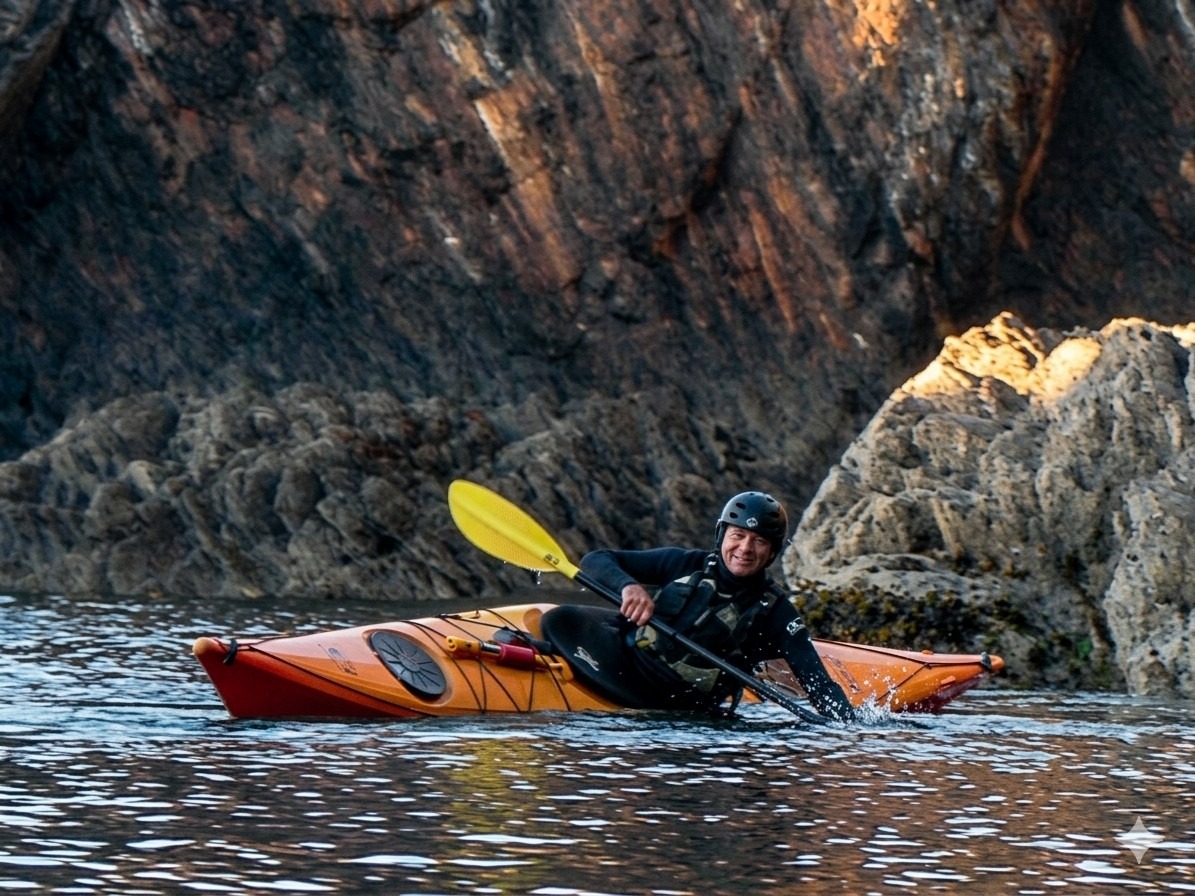
Learning with an experienced sea kayak coach helps you develop:
- Safety awareness
- Efficient paddling technique
- Confidence on the water
- Understanding of sea conditions
- Rescue skills
Good coaching also makes kayaking much easier and far more enjoyable.
If you are completely new to the sport, joining a guided session is usually the safest and most enjoyable way to begin.
Ready to Try Sea Kayaking in Pembrokeshire?
If you would like to experience sea kayaking for yourself, Mayberry Kayaking offers:
- beginner-friendly sessions
- guided coastal trips
- skills courses
- progressive coaching
all based around the spectacular coastline of Pembrokeshire in West Wales.
Whether you are completely new to kayaking or looking to improve your skills, there are options suitable for all experience levels.
Frequently Asked Questions About Sea Kayaks
What is the difference between a sea kayak and a normal kayak?
Sea kayaks are longer, faster and designed for open water conditions. Recreational kayaks are usually shorter, wider and intended for calmer inland water.
Are sit-on-top kayaks good for the sea?
Sit-on-top kayaks can work well in calm, sheltered coastal conditions and are popular for beginner sessions and summer paddling. However, they are generally less efficient and offer less protection in rougher sea conditions.
Are sea kayaks difficult for beginners?
Not at all. With proper coaching and suitable conditions, beginners usually adapt very quickly to sea kayaks and often find them more enjoyable and efficient than expected.
What should I wear for sea kayaking in the UK?
This depends on conditions and time of year, but suitable layers, waterproofs and appropriate safety equipment are important. Guided sessions normally provide advice and specialist equipment where needed.
Can beginners go sea kayaking in Pembrokeshire?
Yes. Pembrokeshire is an excellent place to learn, particularly with experienced local guides who understand the tides, weather and coastline.
Ready to Start Your Sea Kayaking Journey?
Explore:
with Mayberry Kayaking.